


Late winter exposes weak spots that stay hidden in warmer months. Ice melts, soil shifts, and buried systems face pressure. During this period, the Jersey City infrastructure shows how well it handles stress. You can see clear signs on streets, sidewalks, and public spaces. Cold weather leaves behind visible damage. Snow piles block drains and slow water flow. Heavy salt use affects concrete and steel. These factors show where repairs and upgrades need attention.

Freeze-Thaw Cycles and Road Damage
Water seeps into small cracks in asphalt during winter. Temperatures drop, and that water freezes overnight. Ice expands and widens those gaps. As a result, pavement weakens quickly.
Repeated freeze and thaw cycles increase surface damage. Vehicles add weight and pressure every day. Small fractures turn into potholes within weeks. Late winter reveals the worst conditions.
Temporary patching often fills holes with cold-mix asphalt. This fix lasts only a short time. Permanent resurfacing requires warmer weather and dry conditions. You may notice crews marking damaged areas for spring work.
That is a major impact, particularly if you’re planning a move to Jersey during this season. However, hiring a specialized company can help you prevent mishaps while relocating and avoid common moving mistakes. Reliable movers understand local conditions and adjust routes safely. Careful planning reduces risk during icy weeks.
Stormwater Systems Under Pressure
Snowmelt combines with rainfall in late winter. This mix increases runoff across paved areas. Drains must handle higher volumes in a short period. If debris blocks grates, water pools on streets.
Many older cities use combined sewer systems. These systems carry wastewater and stormwater in the same pipes. During heavy flow, pipes reach capacity. Overflow can then enter nearby waterways.
Low-lying neighborhoods face higher flood risks. Standing water damages roads and basements. You may see temporary pumps in trouble spots. These measures show where drainage upgrades remain necessary.
In addition, clearing leaves and trash from curb inlets helps reduce backups. Public crews often inspect lines before spring storms. Their work highlights how sensitive drainage networks remain after winter.
What Jersey City Infrastructure Reveals About Utility Resilience
Extreme cold affects underground utilities. Water mains can crack under shifting ground. Pressure changes increase the risk of pipe failure. Crews respond quickly, yet repairs disrupt traffic.
Gas lines also require close inspection. Temperature swings affect pipe joints and seals. Utility providers monitor pressure to prevent leaks. Late winter reports often show higher repair activity.
Electric grids face strain from heating demand. Older transformers may overheat under sustained use. Ice accumulation can weigh down overhead lines. These events test backup systems and response times. You can likewise measure resilience by outage duration. Faster restoration shows better planning and equipment.
Sidewalks, Pedestrian Safety, and Liability Risks
Concrete sidewalks crack during freeze cycles. Water enters small seams and expands. Uneven slabs create trip hazards. Families with strollers notice these problems first.
Property owners share responsibility for sidewalk upkeep. Local rules require timely repairs. Delays increase injury risk and legal claims. Late winter inspections often reveal fresh damage.
Accessibility standards require level walking surfaces. The Americans with Disabilities Act sets slope and clearance rules. Damaged paths can block wheelchair users. Repairs protect both safety and compliance.
Not to mention that salt used for ice control also erodes concrete. Over time, surfaces crumble at the edges. These small breaks grow larger by spring.
Public Transit Strain During Seasonal Shifts
Rail tracks expand and contract with temperature changes. Sudden shifts can cause alignment issues. Maintenance teams inspect rails before peak travel periods. Their work prevents service disruptions.
Signals also respond to moisture and cold. Water intrusion affects electrical components. Transit agencies test systems after storms. You may notice slower service during inspections.
In line manner, buses face extra wear from potholes. Rough roads damage suspension systems. Drivers must adjust routes in severe cases. Late winter often increases fleet maintenance needs.
Transit reliability affects daily routines. Delays impact work and school schedules. Seasonal stress highlights the value of consistent funding. Reliable service depends on steady upkeep.
Waterfront and Coastal Infrastructure Stress
Jersey City sits along tidal waterways. High tides combine with storm runoff in late winter. This mix raises flood risk in waterfront zones. Barriers must withstand repeated pressure.
Bulkheads and seawalls require regular inspection. Saltwater corrodes metal fasteners and supports. Cracks allow water to seep behind walls. Repair teams monitor these weak spots.
Pump stations move excess water away from streets. Equipment must function during peak flow. Power backups keep pumps running during outages. Late winter tests these systems under real conditions.
Climate trends increase the frequency of heavy rain events. Rising sea levels add extra strain. Planning efforts now focus on higher protection standards. Coastal systems need steady upgrades.
Parks, Public Spaces, and Hidden Structural Wear
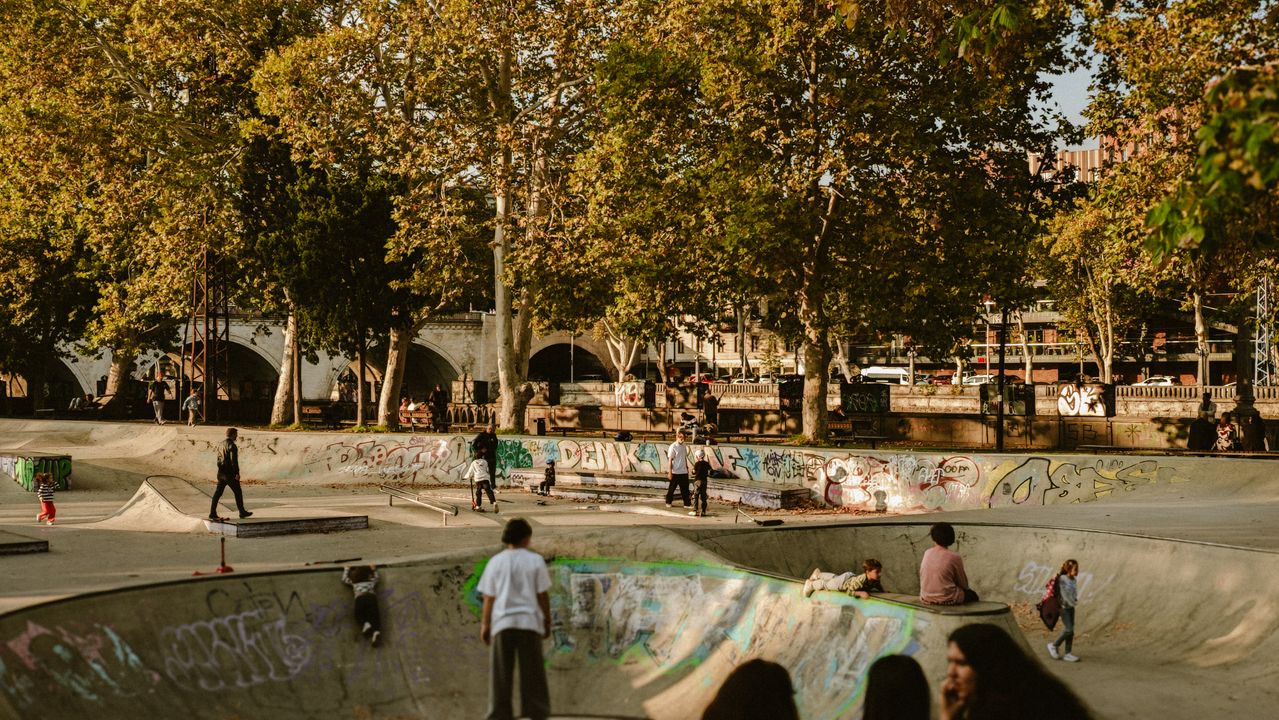
While the city has incredible outdoor options, winter brings unique challenges to them. Frozen ground shifts beneath playground surfaces. Rubber mats can separate at the seams. Uneven ground creates fall hazards for children. Spring inspections often reveal this damage.
Athletic fields also suffer from poor drainage. Meltwater collects in low areas. Repeated saturation weakens turf and soil. Maintenance crews must restore safe playing conditions.
Tree roots push against frozen soil. Sidewalk edges near parks may lift. Lighting systems also face moisture exposure. Corrosion affects wiring and fixtures.
Bear in mind that public spaces reflect broader infrastructure health. Delayed repairs limit community use. Late winter offers a clear snapshot of how the Jersey City infrastructure performs under stress, as well as how much open spaces depend on steady maintenance.
Budget Planning and Long-Term Capital Improvements
Seasonal damage influences funding decisions. Officials review repair data after winter ends. High repair frequency signals deeper structural issues. Capital plans adjust based on these findings.
Emergency fixes cost more than scheduled upgrades. Cities often shift funds to cover urgent needs. This practice delays larger improvement projects. Long-term planning reduces surprise expenses.
Federal and state grants support major upgrades. Infrastructure bills provide funding for water and transit systems. Local leaders compete for these resources. Late winter damage reports strengthen funding requests.
Community input shapes spending priorities. Residents report potholes and flooding through service apps. Their feedback guides repair schedules. Public awareness improves accountability.
What You Should Expect Come Spring
Late winter functions as a stress test for urban systems. Streets, pipes, transit lines, and parks show visible strain. Each crack or leak reveals where action must occur. By reviewing these patterns, Jersey City infrastructure won’t take your expectations or your pocket by surprise.
Author Bio:
Angie Sims used to work in the travel industry for 6 years, and now she works in the relocation industry. For the last 3 years, she has been specializing in helping people with their domestic and international relocation. She is also a full-time mom and a part-time blog writer. From her own experiences, she writes about traveling and moving with children on her blog.






Leave a Comment